Welcome to the 66th ITM Colloquium!
Health in Motion: Infectious Diseases on the Move
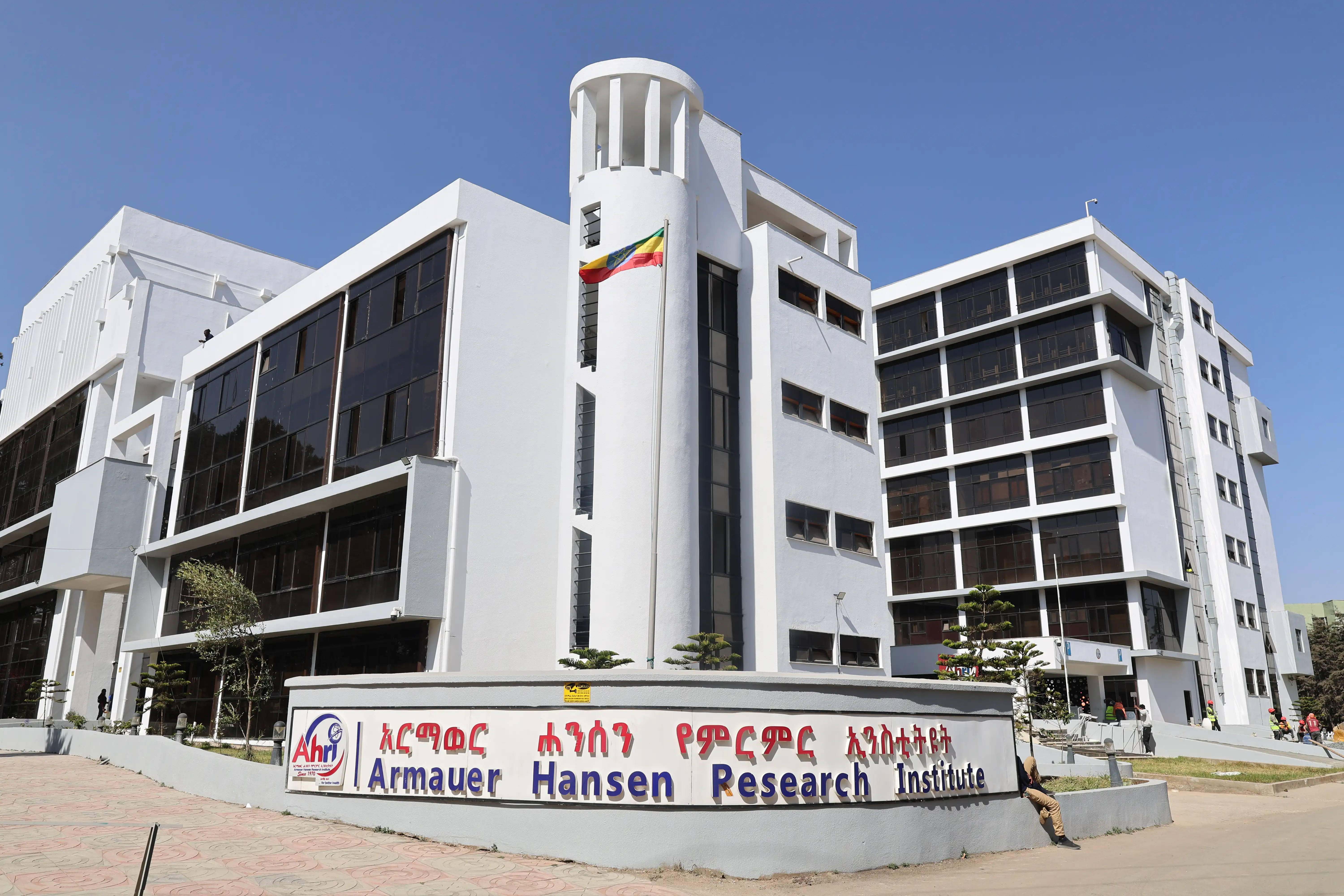
The Institute of Tropical Medicine Antwerp and the Armauer Hansen Research Institute are pleased to announce the upcoming colloquium on Health in Motion: Infectious Diseases on the Move.
The Colloquium Health in Motion: Infectious Diseases on the Move will bring together researchers, public health professionals, policy makers and innovators from around the world. Together, we will explore how movement of people, pathogens, vectors, environments and policies is reshaping the dynamics of infectious diseases, the resilience of health systems, and the strategies needed to respond to them.
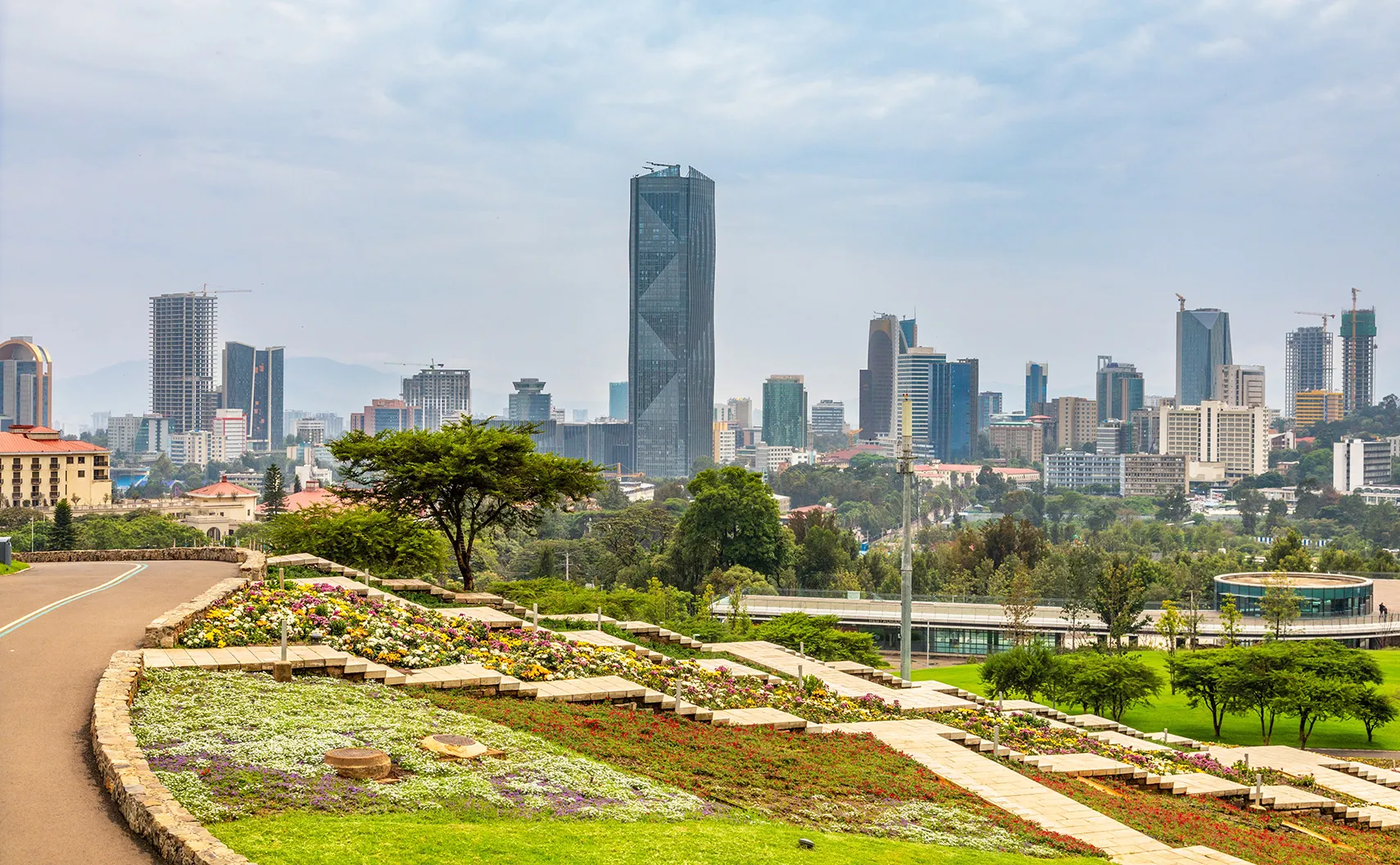
The Colloquium will be hosted in Addis Ababa, Ethiopia.
In today's rapidly changing world, diseases move across borders, cities and ecosystems with increasing speed. Climate change, environmental disruption and shifting land use are altering the habitats of vectors and pathogens, while intensified human–animal interactions raise the risk of zoonotic spillover. At the same time, urbanisation and growing mobility create new pathways for disease occurrence, making cities key environments for understanding how infections spread and evolve. These shifts place growing pressure on health systems to adapt through stronger surveillance, responsive services, and integrated, equitable approaches to public health.
Pathogens are constantly on the move—across borders and within the body—spreading, evolving and interacting with immune systems shaped by diverse exposures. This leads to stark differences in vulnerability between populations, especially as emerging infections reshape host–pathogen interactions. Understanding these dynamics is key to explaining why infections unfold so differently worldwide.
Movement also challenges health systems’ ability to ensure continuity of care. Vulnerable populations—especially in fragile and conflict-affected settings—face disruptions in treatment, vaccination and access to medicines. At the same time, shifting funding priorities and reduced international support are increasing pressure on health systems, raising urgent questions about sustainability and resilience.
New technologies offer part of the answer. Advances in digital technologies and surveillance systems are opening new opportunities to track and respond to infectious disease threats in a constantly moving world, including through mobile data and innovative monitoring approaches.
Structured around six thematic sessions—covering emerging infections and environmental change, disease biology and resistance, urbanisation, continuity of care, sustainability and health financing, and surveillance—the colloquium offers a platform for scientific exchange, critical reflection and collaboration.
We look forward to welcoming you to this year’s ITM Colloquium.
The Scientific Committee of the 66th ITM Colloquium
Sessions
The scientific programme is structured around six dynamic plenary sessions.
This session will examine how environmental and ecological changes are reshaping the emergence and spread of infectious diseases worldwide. We will focus on the role of climate change, land-use transformation, and ecological disruption in altering disease distribution and transmission dynamics. Particular attention will be given to vector adaptation and the expanding range of vector-borne diseases, as well as zoonotic spillover events. Contributions exploring the mechanisms linking environmental change to epidemic risk are especially encouraged. We welcome studies spanning ecological, epidemiological, and molecular perspectives, including work that integrates climate data with disease surveillance. By connecting environmental drivers to infectious disease dynamics, this session aims to provide insights into how global changes accelerate disease emergence.
Session Chairs
Session speakers – Keynotes
Session Speakers – Oral presentations
Session Speakers – Poster presentations
This session will explore how infectious diseases evolve, spread, and persist in an increasingly interconnected and dynamic global landscape. We will focus on the biological mechanisms underlying disease dissemination, including pathogen transmission, tissue tropism, and host-pathogen interactions that shape infection outcomes. A central theme is the host immune response, ranging from protective immunity to immune evasion and dysregulation. In parallel, we will examine pathogen evolution and adaptation, including the emergence and spread of antimicrobial resistance (AMR), as key drivers of disease persistence and global health burden. Contributions addressing molecular, cellular, and population-level processes are welcome, as well as studies integrating experimental, clinical, and computational approaches. We particularly encourage submissions that bridge fundamental biology with translational or field-based insights.
Session Chairs
Session speakers – Keynotes
Session Speakers – Oral presentations
Session Speakers – Poster presentations
Rapid urbanization in low- and middle-income countries reveals a stark urban penalty, where residents of slums and informal settlements face worse health outcomes than both wealthier urban populations and rural communities. Fragile infrastructures, inadequate sanitation, unhealthy food systems, and mobility pressures compound vulnerabilities, while lack of tailored public health interventions and health inequality intensify risks and further shape health outcomes. Megacities emerge as both hubs of opportunity, changing environmental conditions, and pathways for disease, chronic conditions, and environmental stress, underscoring the need to confront urbanization as a determinant of inequality, health, and wellbeing. In this session, we will discuss how these complex factors interact and how we can both understand them and address them from our positions as clinicians, researchers, and decision-makers.
Session Chairs
Session speakers – Keynotes
Session Speakers – Oral presentations
Session Speakers – Poster presentations
In a world where populations are increasingly mobile and crises continue to reshape health landscapes, ensuring continuity of care has never been more critical. Persisting vaccination coverage gaps and barriers to equitable access to medicines are putting a burden on weakened health systems. This session explores how access and quality of care can be safeguarded for people on the move, including those affected by conflict, displacement, and fragile health systems. These include innovative models of service delivery that adapt to instability while maintaining essential standards, as well as emerging diagnostics and technological solutions with their potential to strengthen early detection and follow-up. We invite basic, clinical, behavioral, and implementation research, reflecting the interdisciplinary nature of the challenge. By bringing together diverse evidence, the session aims to illuminate practical pathways for delivering sustained, high-quality care in motion.
Session Chairs
Session speakers – Keynotes
Session Speakers – Oral presentations
Session Speakers – Poster presentations
Funding for global health has changed dramatically in the last 18 months. In this session, we invite policymakers, health programme managers, healthcare providers, and research organisations from the Global South to share how they have responded to the changing donor funding landscape and increasingly challenging economic conditions. We invite reflections on: What strategies have been developed to mobilise additional domestic resources for health? How has service delivery been adapted (or even improved) in response to reduced donor funding? What has guided decisions around prioritisation of treatments, projects, and programmes in your organisation/country? Have the recent funding changes supported or undermined your country’s progress towards universal health coverage and domestic health sovereignty? By sharing experiences and the lessons learned, we hope this session can contribute to building sustainable health responses in the Global South.
Session Chairs
Session speakers – Keynotes
Session Speakers – Oral presentations
Session Speakers – Poster presentations
As populations move — across borders, within countries, and between communities — so too do questions about how health is monitored, recorded, and governed. This sub-theme takes surveillance as a lens for understanding health in mobile populations, examining how digitalisation — from electronic health records to digitised guidelines and wearable technologies — and the proliferation of mobile data are reshaping the monitoring of people on the move. It interrogates the ethical and political tensions between surveillance as a tool of care and as a mechanism of control, attending to questions of power and politics, digital exclusion, AI and emerging technologies, community-led surveillance, and the often-invisible experiences of internally displaced, labour, and nomadic populations. Bringing together perspectives from epidemiology, policy, and lived experience, it asks how health surveillance systems can be made accountable, equitable, and rights-respecting in an era of unprecedented digital reach.
Session Chairs
Session speakers – Keynotes
Session Speakers – Oral presentations
Session Speakers – Poster presentations
Colloquium Insights
Read our featured articles and dive deeper into the Colloquium.
Scientific Committee





Organising Committee
Remke
Van Elstlande
|
Organisational Lead
|
Institute of Tropical Medicine Antwerp
|
Belgium
Simon
Genet
|
Organisational Lead
|
Armauer Hansen Research Institute
|
Ethiopia

Ann
Peters
|
General Manager
|
Institute of Tropical Medicine Antwerp
|
Belgium

Tamene
Achamo
|
Armauer Hansen Research Institute
|
Ethiopia

Anna
Alberro
|
International Cooperation
|
Institute of Tropical Medicine Antwerp
|
Belgium

Kobe
Bernaerts
|
Communications
|
Institute of Tropical Medicine Antwerp
|
Belgium

Wouter
Boesman
|
International Cooperation
|
Institute of Tropical Medicine Antwerp
|
Belgium

Elien
Knockaert
|
Event administration
|
Institute of Tropical Medicine Antwerp
|
Belgium
Katrien
Kolf
|
R&D Contracts and Reports
|
Institute of Tropical Medicine
|
Belgium

Charlotte
Morantin
|
Alumni and Internationalisation
|
Institute of Tropical Medicine Antwerp
|
Belgium
Dejytnu
Mulaw
|
Armauer Hansen Research Institute
|
Ethiopia
Jasper
Smet
|
Travel
|
Institute of Tropical Medicine Antwerp
|
Belgium

Katrien
Van Wymeersch
|
Institute of Tropical Medicine Antwerp
|
Belgium
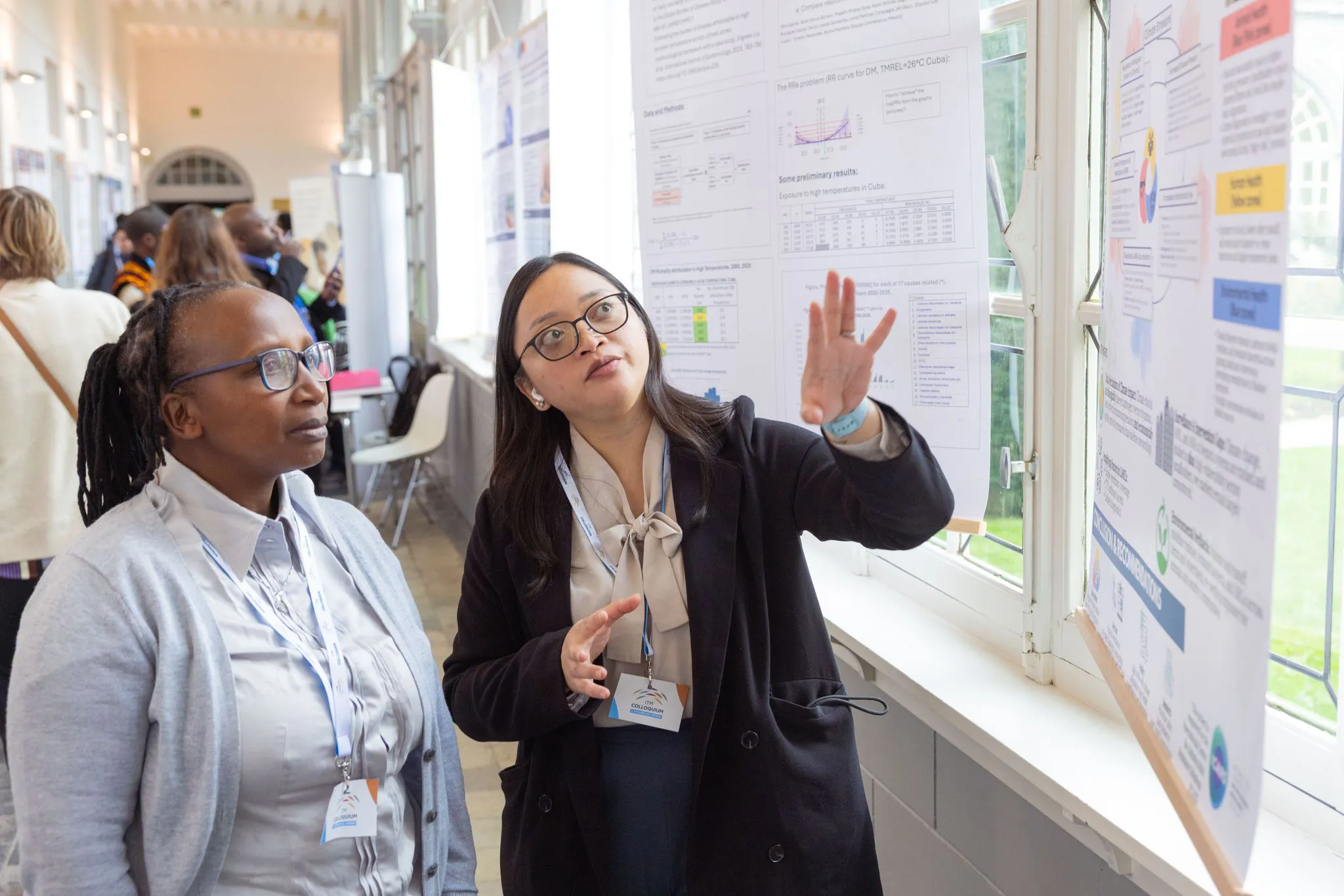
Register now to attend the
2026 ITM Colloquium!
Registration is now open! You can join the conference either online (free of charge) or in person. The registration fees for in-person attendance are available via the registration link.
We warmly encourage participants to attend in person to fully experience the conference, engage in discussions, and connect with colleagues from around the world. Your in-person registration includes full access to all conference sessions and activities at Sheraton Addis, the conference dinner, and the networking reception, providing valuable opportunities to exchange ideas and build new collaborations.
Participants from Ethiopia and Cuba who wish to pay by bank transfer are kindly requested to contact us at colloquium@itg.be.
Looking for accommodation? Our partner hotel, Radisson Blu, offers special conference rates and a complimentary shuttle service to and from the Sheraton conference venue. You can book your stay after registering via the link in your confirmation email.
Call for abstracts is closed
The Scientific Committee of the 2026 ITM Colloquium would like to thank everyone who submitted a contribution on the topic of Health in Motion: Infectious Diseases on the Move.
All submitted abstracts are subject to a peer-review process. Authors will receive feedback by the end of June 2026.

The Institute of Tropical Medicine (ITM) in Antwerp, Belgium, strives for the advancement of science and health for all, through innovative research, advanced education, professional medical services and capacity sharing with partner institutions in Africa, Asia and Latin America.
The Institute initiates collaborations and functions as a mediator between research and policy makers.
By organising the ITM Colloquium, they unite leading researchers, health professionals and policymakers from around the world to discuss the most pressing questions in tropical medicine and international health. The ITM Colloquium functions as a forum to share scientific progress and discuss collaborations.

The Armauer Hansen Research Institute (AHRI) in Addis Ababa, Ethiopia, is a national public health research institution operating under the Ministry of Health of Ethiopia. AHRI is dedicated to advancing scientific knowledge and translating evidence into improved health outcomes.
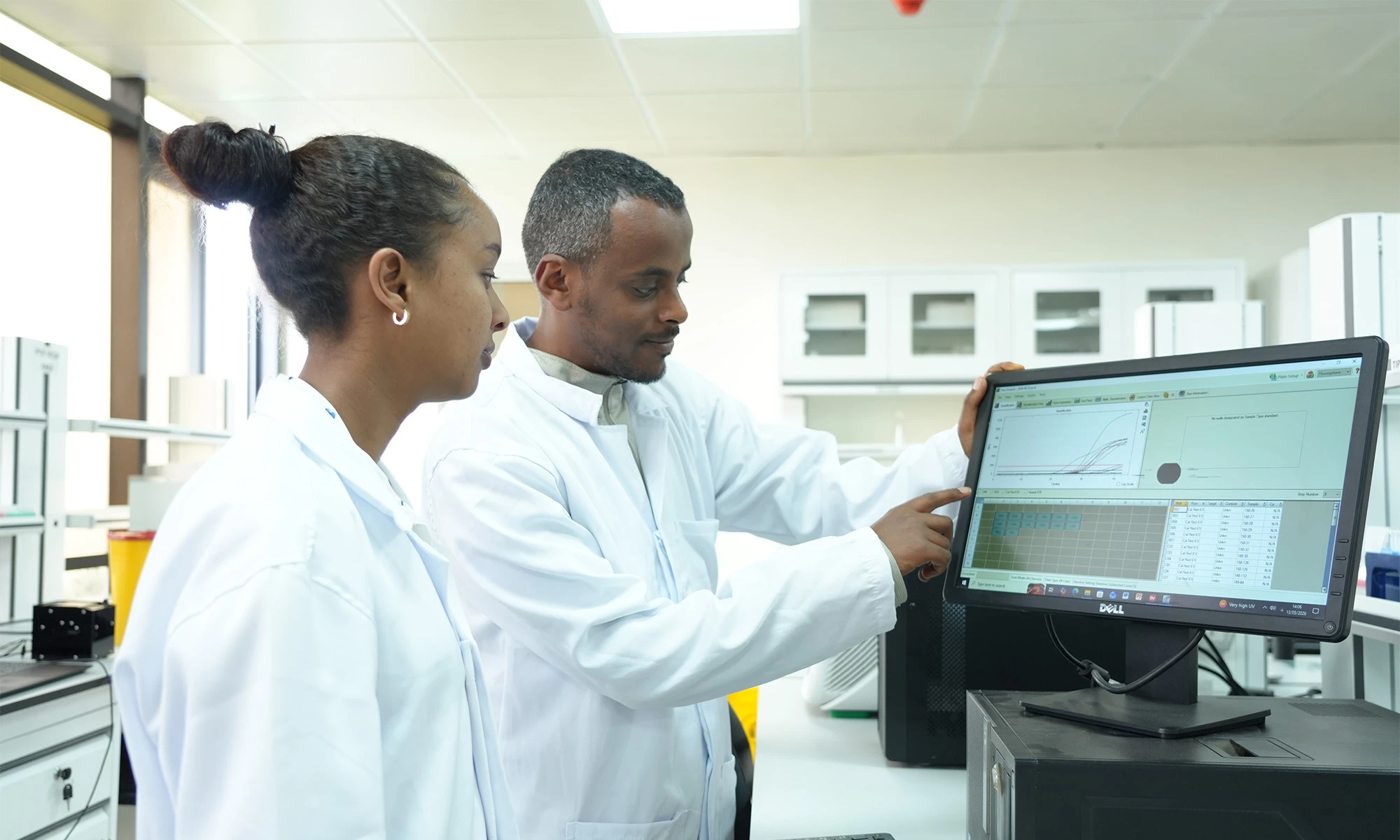
The Institute conducts multidisciplinary research on communicable and non-communicable diseases, vaccines and diagnostics, traditional and modern medicine, and pharmaceutical development, with particular emphasis on emerging and re-emerging health threats.
AHRI maintains strong collaborations with national and international academic institutions, research organisations, and public health partners. It also hosts scientific conferences, regional meetings, and international training programmes that promote collaboration and knowledge exchange.
AHRI is honoured to co-host the 66th ITM Colloquium, in partnership with ITM.